

Nepal sits on one of the most seismically active zones on earth. The 2015 Gorkha earthquake destroyed over 600,000 homes and claimed nearly 9,000 lives — a devastating reminder that structural integrity is not optional in Himalayan construction.
At Design Square, every residential and commercial project begins with seismic analysis. Here is how we approach earthquake-resistant design and why it matters for your next build.
## Why Seismic Design Is Non-Negotiable in Nepal
Nepal falls within Seismic Zone V (the highest risk category) as classified by the Nepal Building Codes (NBC). Kathmandu Valley, Pokhara, and much of the Terai belt face constant tectonic stress from the Indian and Eurasian plate boundary.
Ignoring seismic standards does not just risk structural failure — it puts families, tenants, and communities in direct danger.
## Our Seismic Design Process
### 1. Site-Specific Geotechnical Analysis
Before any drawing begins, we commission soil testing and geotechnical investigation. Soil type, bearing capacity, and groundwater levels directly influence foundation design and seismic response.
### 2. NBC-Compliant Structural Calculations
Our structural engineers perform load calculations strictly following NBC 105 (Seismic Design of Buildings in Nepal) and relevant IS codes. Every beam, column, and joint is sized for lateral seismic forces — not just gravity loads.
### 3. Ductile Detailing and Reinforcement
We specify ductile reinforcement detailing (stirrup spacing, lap lengths, anchorage) that allows the structure to flex and absorb energy during an earthquake without catastrophic collapse.
### 4. Regular Seismic Audits During Construction
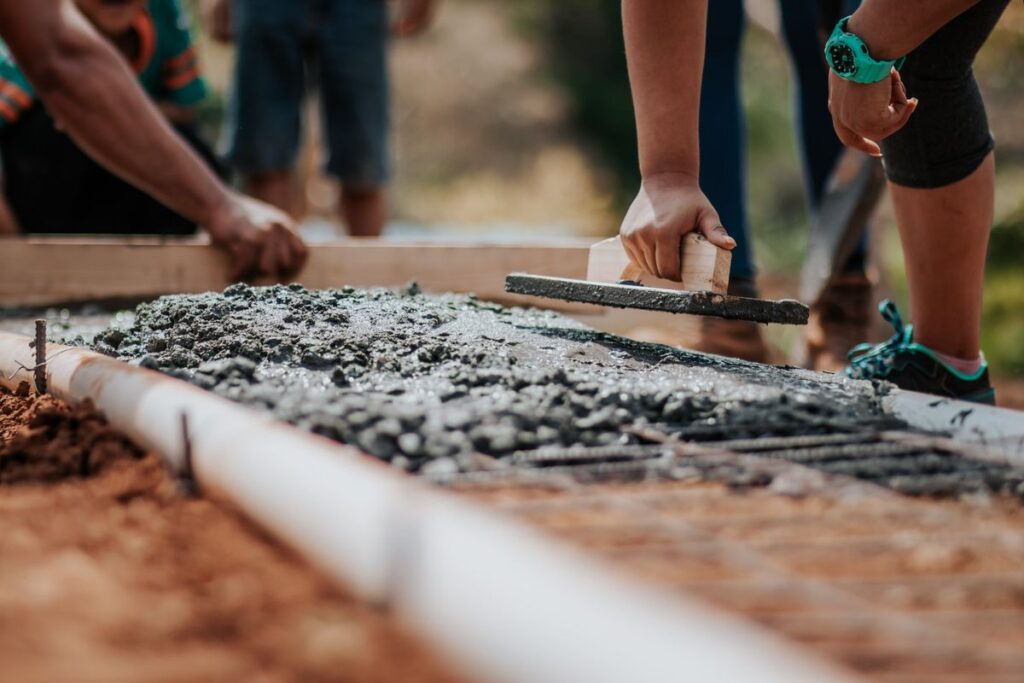
Our site engineers conduct structural checks at every critical pour stage — foundation, plinth beam, each floor slab, and roof — ensuring zero deviation between approved drawings and on-site execution.
## Earthquake-Resistant Design Costs
Seismic-compliant design typically adds 8–15% to structural costs compared to non-engineered construction. However, this investment protects your property value, insurance eligibility, and most importantly, lives.
## Build Seismic-Safe with Design Square
Whether you are planning a family home in Kathmandu or a commercial complex in Pokhara, our team delivers earthquake-resistant architecture backed by rigorous engineering and NBC compliance.
Contact us today to discuss your seismic-safe building project.